
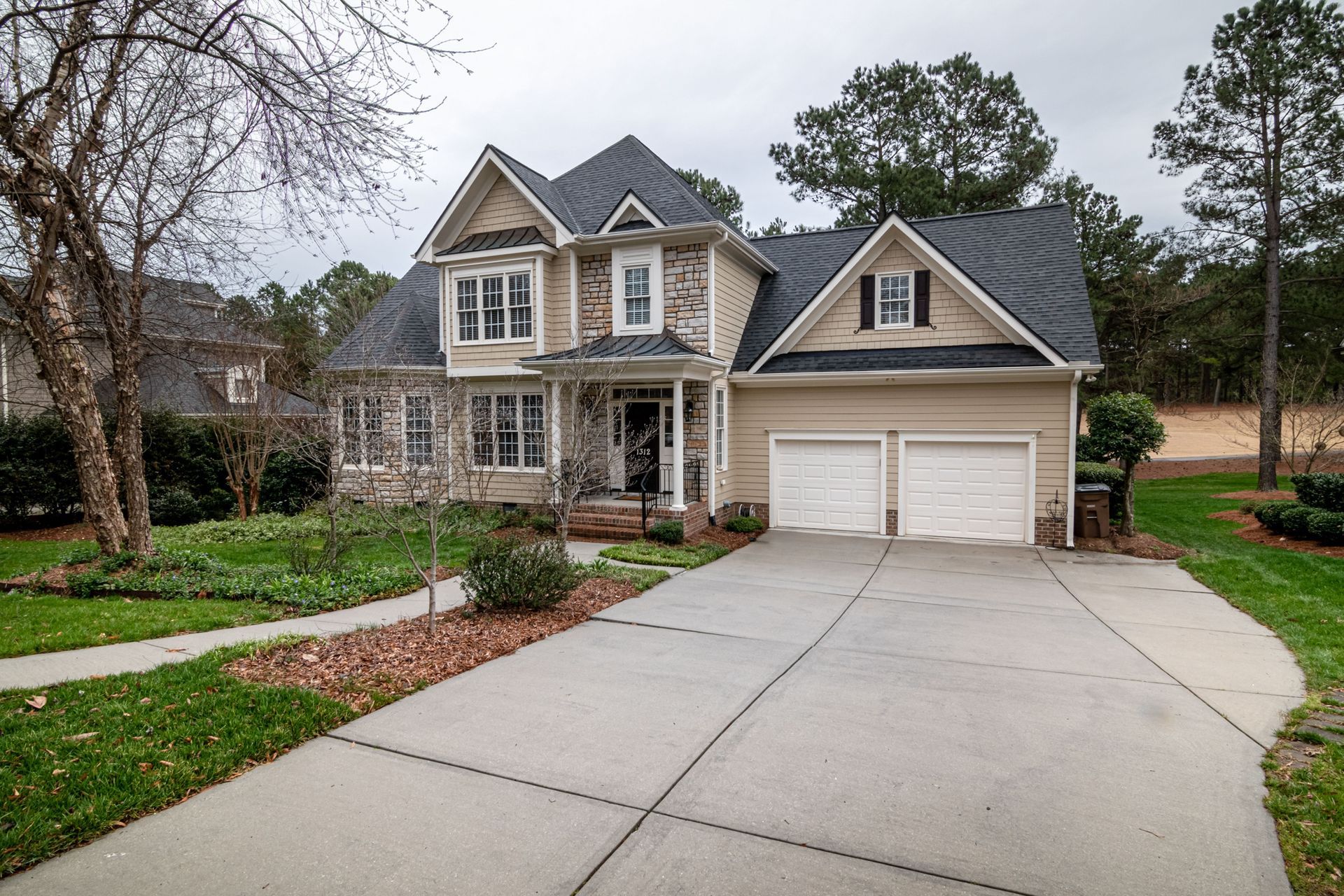

Pours Planned Around Freezing Temperatures
Concrete in Billings for driveways, patios, and foundations requiring personal attention and weather-aware scheduling
Temperatures below thirty-two degrees turn concrete pours into blanket-covered nightmares that compromise curing and inflate costs, so AGC Construction schedules driveway, patio, and foundation work before snow season arrives in Billings. Cody handles all concrete work personally rather than subcontracting it out, applying skills developed through summers working foundational concrete as a teenager and ongoing annual projects with his uncle's thirty-year concrete business. You're hiring someone who learned proper pour technique before he could drive and still troubleshoots large-scale foundation challenges alongside experienced crews.
The work includes colored and stamped concrete for driveways and patios, plus foundation concrete for new home builds and shop structures. Scheduling concentrates pours during weather windows when daytime temperatures stay consistently above freezing and nighttime lows don't threaten fresh concrete, typically late spring through early fall in the Billings area. Winter months shift focus to planning, permitting, and project preparation so concrete work resumes immediately when conditions allow.
Request a concrete estimate to discuss color options, stamped patterns, and optimal timing for your project.
Why Pour Timing Affects Quality and Cost
Concrete cures through a chemical reaction requiring specific temperature ranges—too cold and the reaction stalls, too hot and curing accelerates unevenly. Pours in freezing conditions demand insulated blankets covering the slab for days, adding material costs and labor time that make winter work cost-prohibitive for most residential projects. Proper scheduling during warm months allows concrete to cure naturally at ambient temperature, producing stronger finished surfaces without the complications cold-weather techniques introduce.
After the pour cures, you'll notice stamped patterns hold crisp detail without the surface spalling that occurs when freeze-thaw cycles attack improperly cured concrete. Colored concrete maintains consistent tone across the entire slab rather than showing patchy discoloration from uneven curing rates. The surface remains smooth underfoot without the rough texture that develops when finishing occurs at incorrect moisture levels.
AGC Construction executes one to two concrete jobs weekly depending on project scope, with capacity to travel to Kalispell for larger projects when the dollar amount justifies distance. The company currently prepares a driveway estimate for an HVAC business partner in Kalispell, demonstrating willingness to work beyond immediate Billings metro when project scale warrants travel.
Common Concrete Questions
Property owners in Billings planning concrete work ask about timing, finishes, and how Montana weather affects the process.
What's the latest in the year you can pour concrete in Billings?
Pours remain feasible through October if daytime temperatures stay above forty degrees and forecasts show no hard freezes within seventy-two hours of the pour. November pours become risky as overnight lows threaten curing, and December through March require blanket coverage that significantly increases cost.
How does stamped concrete differ from plain gray slabs?
Stamped concrete receives texture patterns pressed into the surface before curing, mimicking stone, brick, or wood grain appearances. Color additives mixed into the concrete or applied as surface stains create tones beyond standard gray, allowing decorative driveways and patios that complement home exteriors.
What preparation happens before concrete gets poured?
The area gets excavated to proper depth, then base material compacts to create stable subgrade that prevents settling. Forms outline the slab perimeter and establish finished height, while rebar or wire mesh reinforces the concrete against cracking from ground movement or temperature fluctuations.
Can you repair existing concrete instead of replacing it?
Repairs work for isolated cracks or small spalled areas, but widespread deterioration or significant settling usually requires full replacement. Cody assesses existing slabs to determine whether repair extends functional life or just delays inevitable replacement.
How long before we can drive on a new concrete driveway?
Concrete reaches sufficient strength for light foot traffic within twenty-four to forty-eight hours, but vehicle traffic should wait seven days minimum to prevent surface damage. Full curing takes twenty-eight days, though normal use can proceed after the first week without compromising long-term durability.
AGC Construction applies three decades of family concrete expertise to every driveway, patio, and foundation pour in the Billings metro area. Schedule a site evaluation to discuss finish options and receive timeline projections based on current weather patterns.