
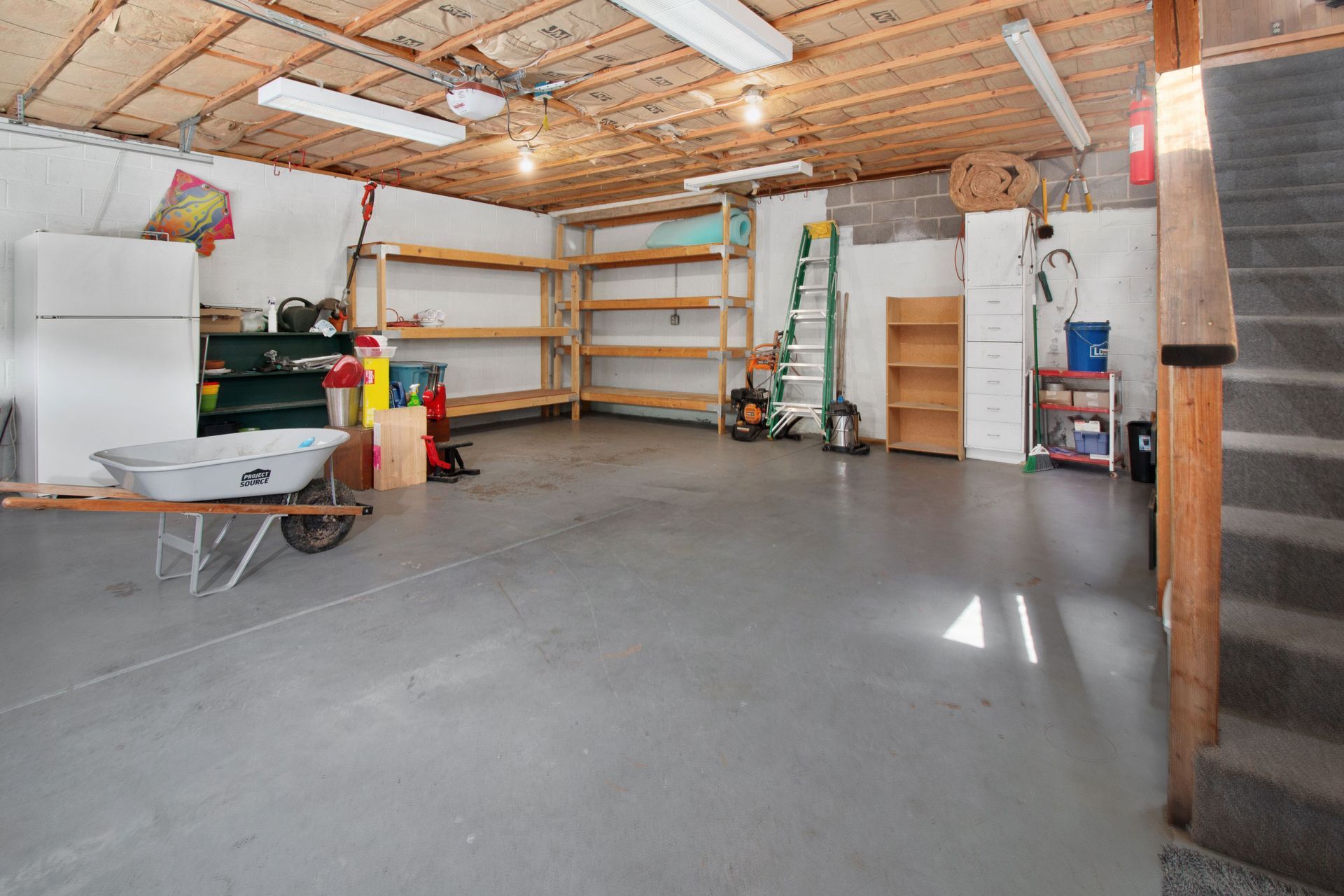

Garage Floors Poured to Handle Freeze-Thaw Cycles
Garage Concrete in Billings for properties needing durable surfaces that resist cracking and surface spalling
Garage floors in Montana face repeated freeze-thaw cycles when vehicles track snow and ice inside, creating moisture infiltration that damages concrete without proper air entrainment in the mix. Cody handles garage concrete finishing personally for AGC Construction, controlling subgrade compaction, mix specifications, and curing protocols that determine whether the surface holds up under vehicle loads and seasonal temperature swings. Properties throughout Park City and county jurisdictional areas schedule garage pours during spring and summer months when temperatures allow proper curing before overnight lows drop below freezing.
Garage concrete involves six-inch thickness for vehicle weight, wire mesh or fiber reinforcement to control cracking, and air-entrained mix designs that create microscopic air pockets allowing water to expand during freeze cycles without fracturing the surface. The finish can include broom texture for traction, colored concrete for visual appeal, or stamped patterns that replicate tile or stone.
Schedule a property evaluation to review garage dimensions and finish options before planning your pour timeline.
Why Proper Mix Design Works for Seasonal Conditions
Garage floor installation begins with removing existing surfaces if necessary, compacting subgrade to eliminate settling, and installing vapor barriers that prevent ground moisture from migrating up through the slab. Forms establish edges and control thickness, typically six inches for vehicle traffic, with control joints cut or formed to direct cracking along planned lines rather than randomly across the surface. Air entrainment is added to the concrete mix during batching, creating small air bubbles that accommodate water expansion when temperatures drop below freezing.
Once the concrete cures, you'll notice the garage floor remains level without cracking at edges or settlement dips, water drains toward the door rather than pooling in corners, and the surface resists scaling even after repeated exposure to snow melt and road salt tracked in by vehicles. Temperature-controlled curing prevents surface defects that develop when concrete freezes before reaching adequate strength, which permanently weakens the slab.
County jurisdiction areas like Park City often allow garage concrete work without separate permits when poured as part of accessory structure foundations, though municipal projects within Billings city limits may require permit submission depending on structure size and zoning. Pours are scheduled before snow flies to avoid cold-weather complications that require insulated blankets and extended curing times.
What Property Owners Usually Ask
Homeowners planning garage concrete work in the Billings area typically ask about durability, finishes, and what affects long-term performance under Montana weather conditions.
What causes garage floors to develop surface spalling?
Spalling occurs when water enters the concrete surface, freezes during cold weather, and expands with enough force to pop off the top layer of concrete. Air-entrained mix designs reduce this failure mode by providing space for frozen water to expand without breaking the surface structure.
How thick does garage concrete need to be for vehicle traffic?
Six inches is standard for residential garages handling cars and light trucks, compared to four inches for patios or sidewalks that only support foot traffic. Thinner slabs risk cracking under vehicle weight, especially at edges where loads concentrate.
Why do garage floors need control joints?
Control joints create intentional weak points that direct cracking along planned lines rather than allowing random fractures across the slab. Concrete always cracks as it cures and experiences temperature changes—control joints manage where those cracks occur so they're less visible and structurally disruptive.
What finish options work for garage concrete in Billings?
Broom texture provides traction and is most common for utility garages, while colored concrete or stamped finishes offer visual appeal for finished garage spaces used as workshops or hobby areas. All finishes benefit from sealing after initial curing to reduce moisture infiltration and surface wear.
When should garage concrete be poured to avoid cold-weather issues?
Pours scheduled between late April and early October in the Billings area avoid the risk of overnight freezing during curing, which requires expensive blankets and ground covers to maintain temperature. Waiting for consistent warm weather ensures the concrete reaches full strength under normal conditions.
AGC Construction manages garage concrete projects with in-house permit handling where required and coordinates pour timing with seasonal weather windows to ensure proper curing. Request a detailed estimate based on your garage size and finish preferences to plan the work before fall temperatures drop.